Georgia May Foote // Studio Portrait Session with James Melia
There’s a particular quiet that settles into a studio just before a shoot starts. Lights warming up. Backgrounds half-set. That moment where you’re both present but not yet performing. That’s where this session with Georgia May Foote began.
It was our first time working together, which always carries a slight unknown. You’re meeting someone new, but you’re also asking them to step into a space that can feel exposed, especially for an actor whose face already exists publicly in so many versions. My job, I think, is mostly to remove pressure. To make the room feel neutral enough that something honest can happen.
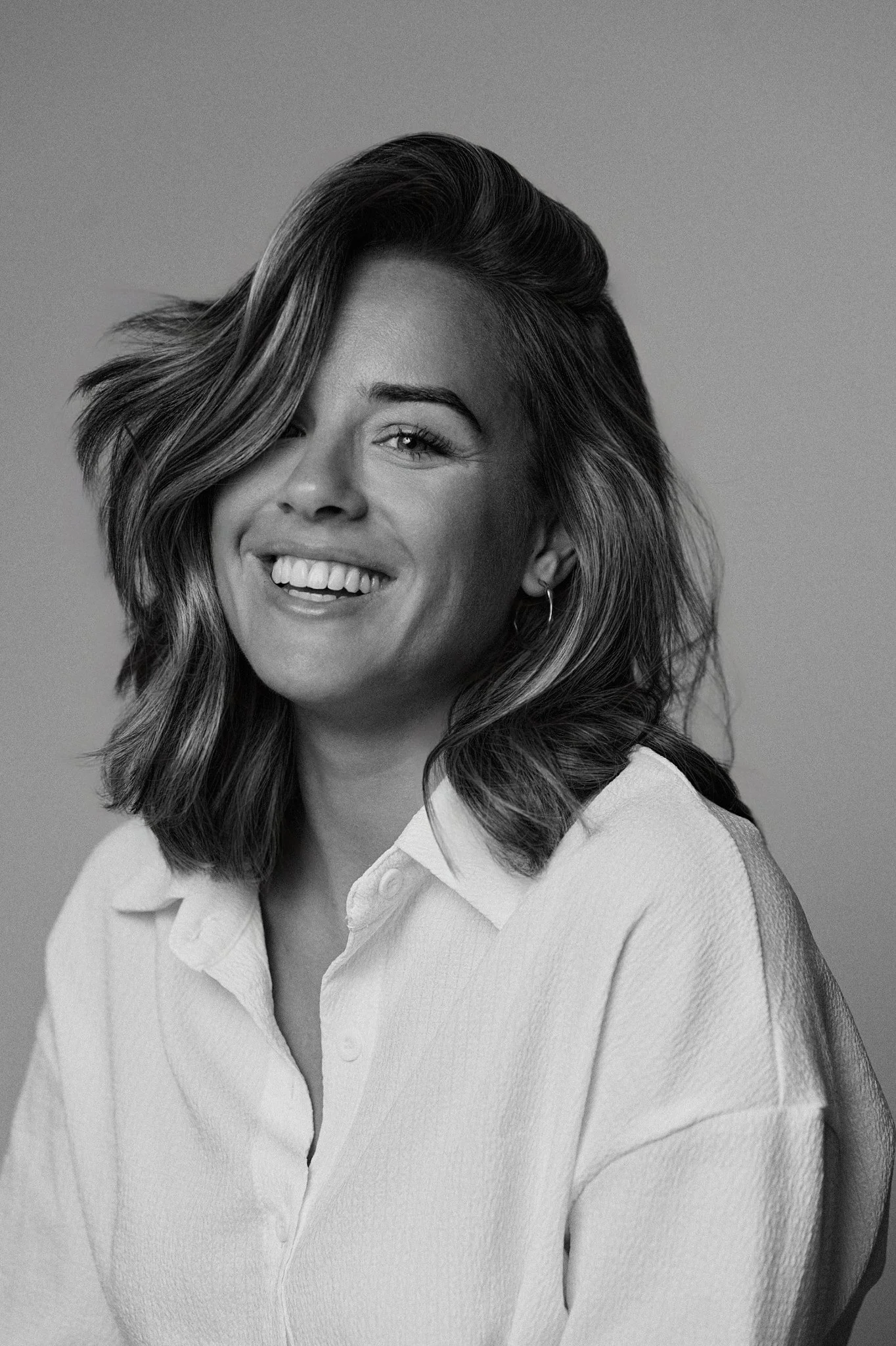
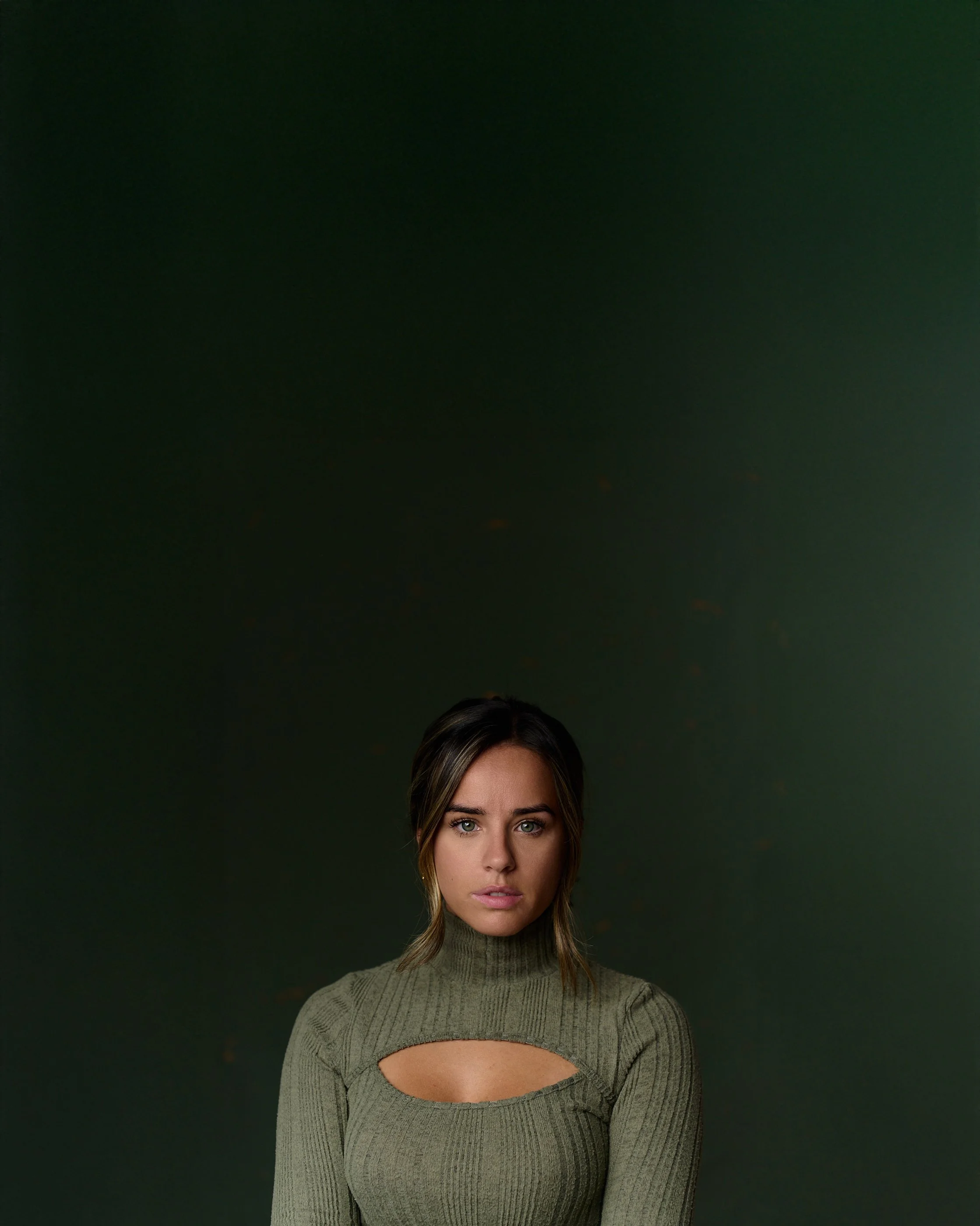
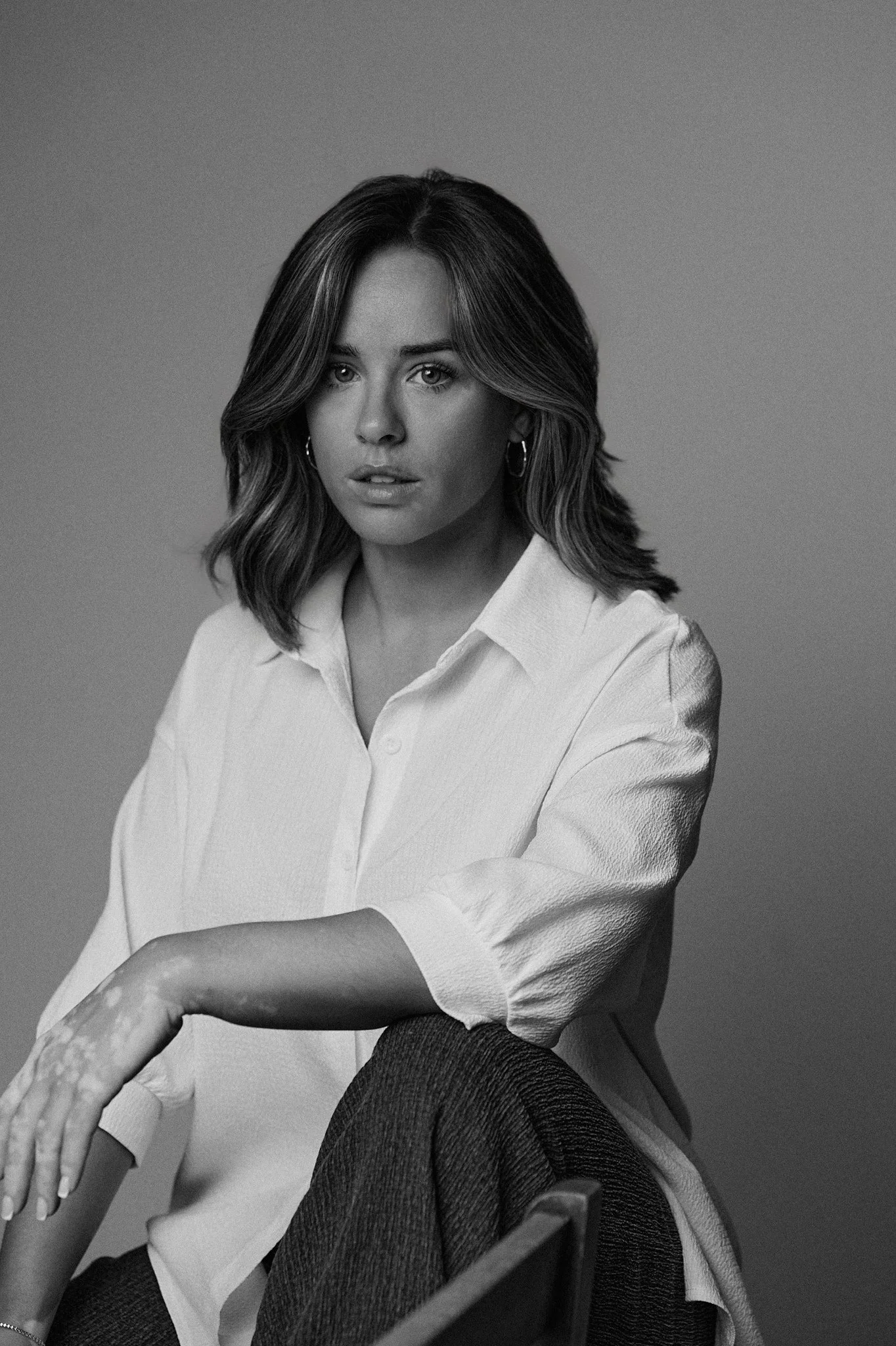
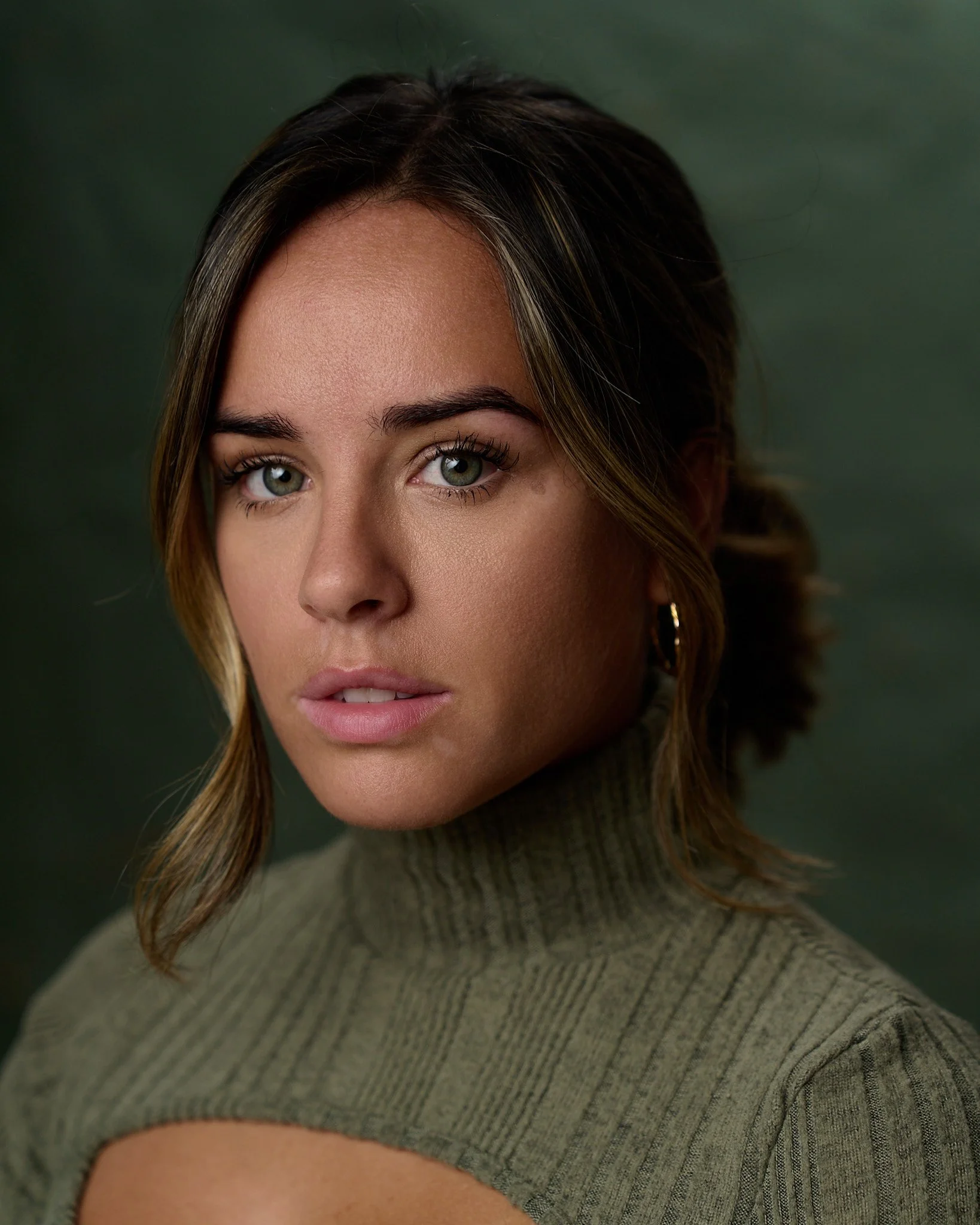
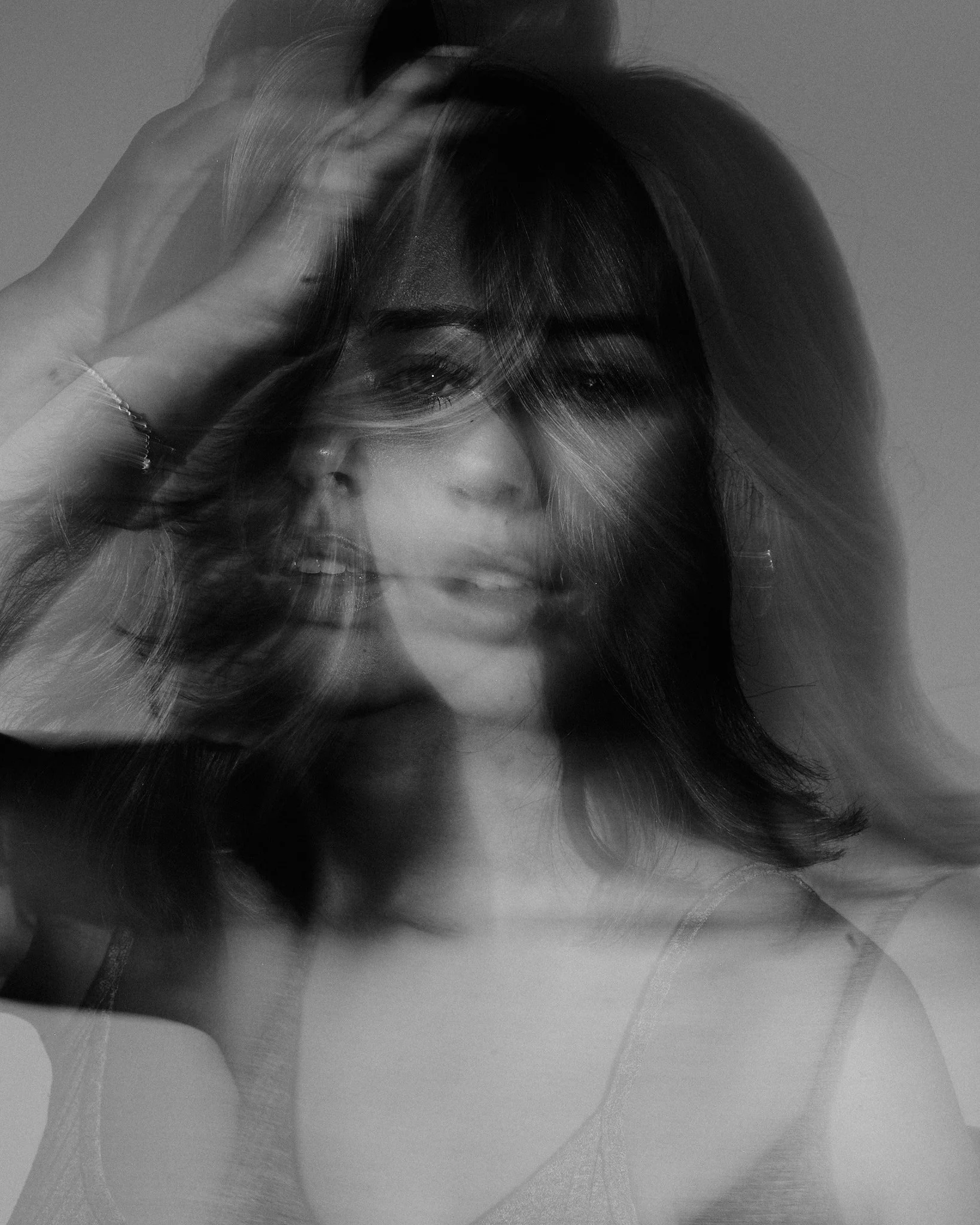
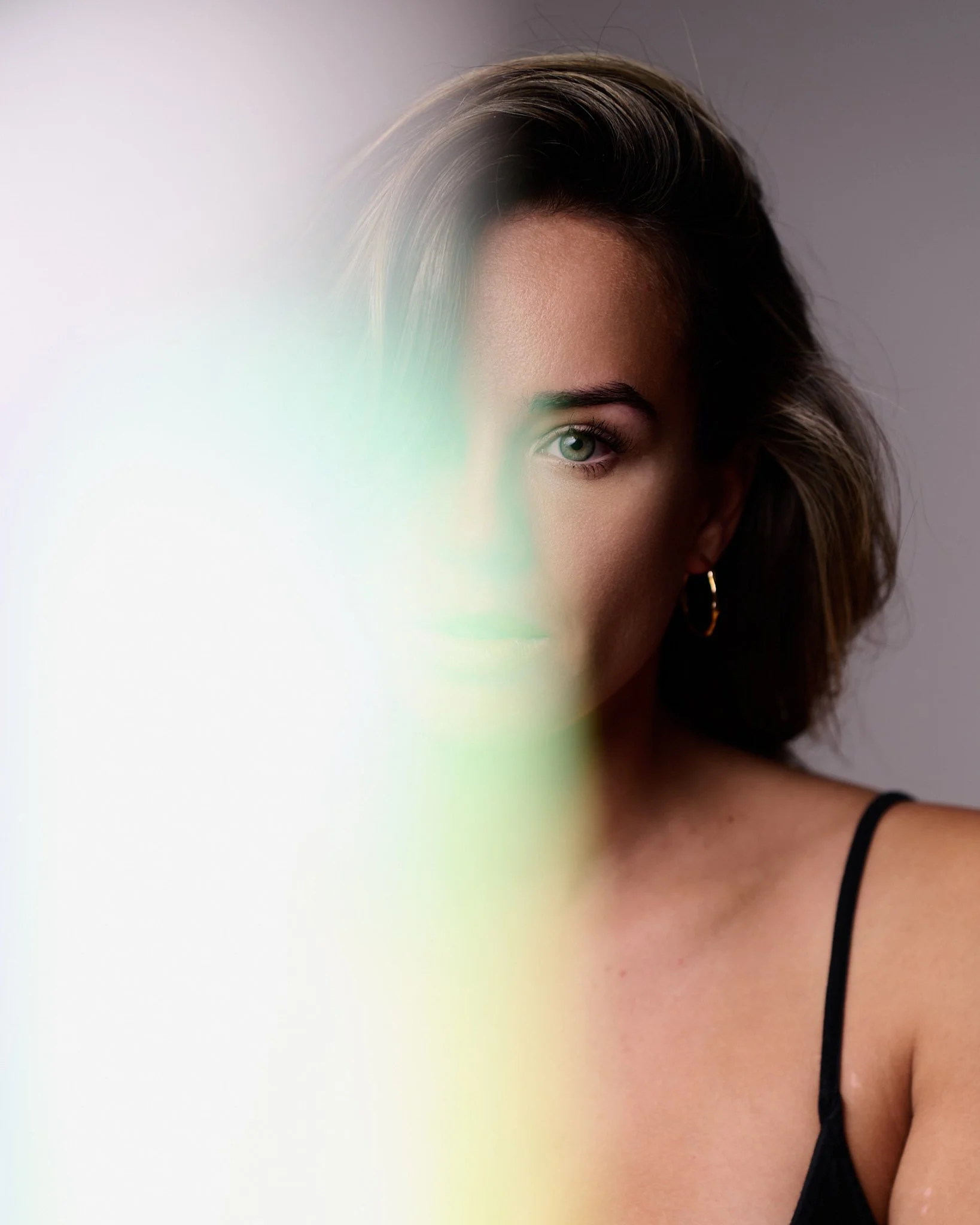
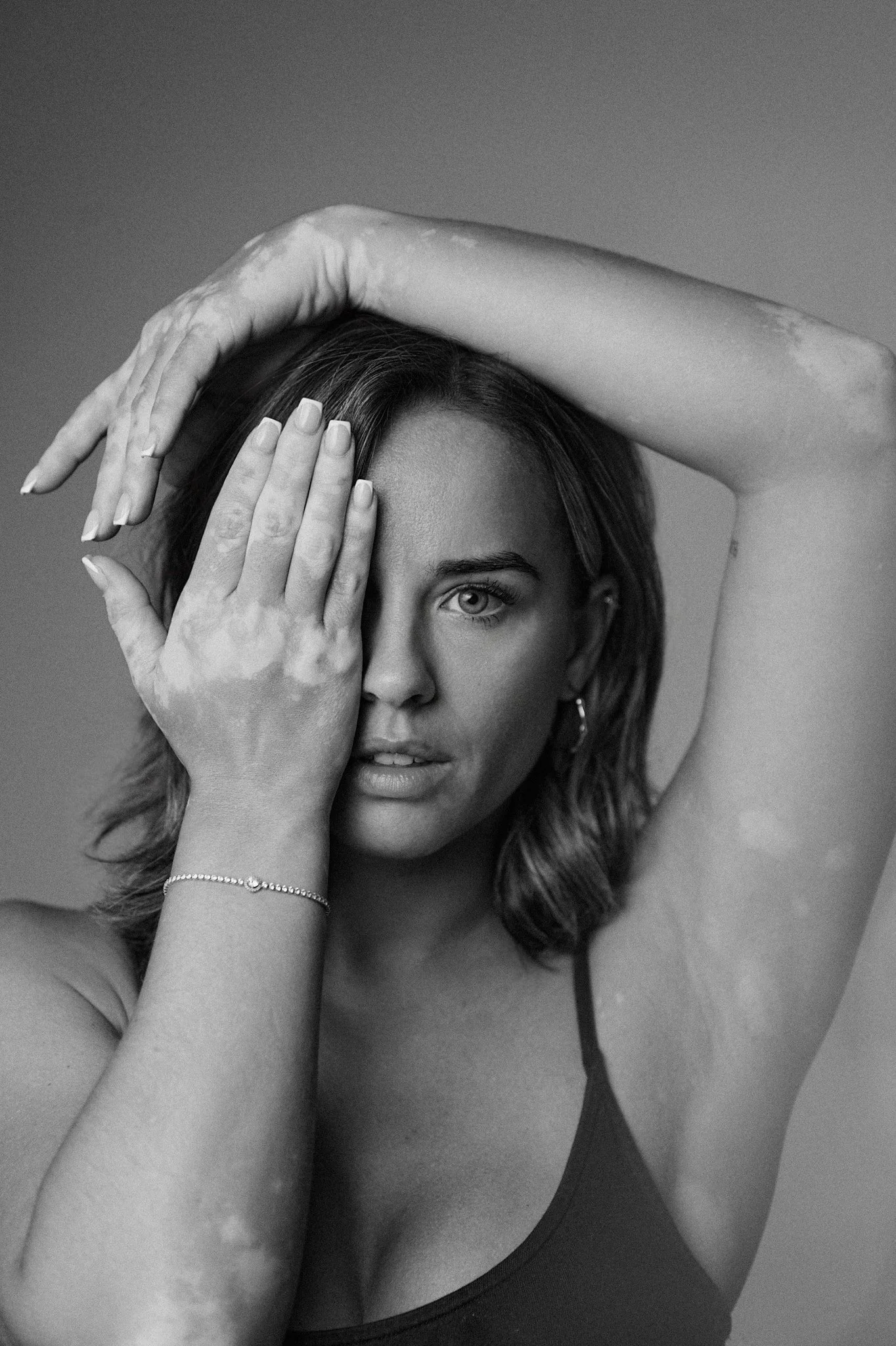
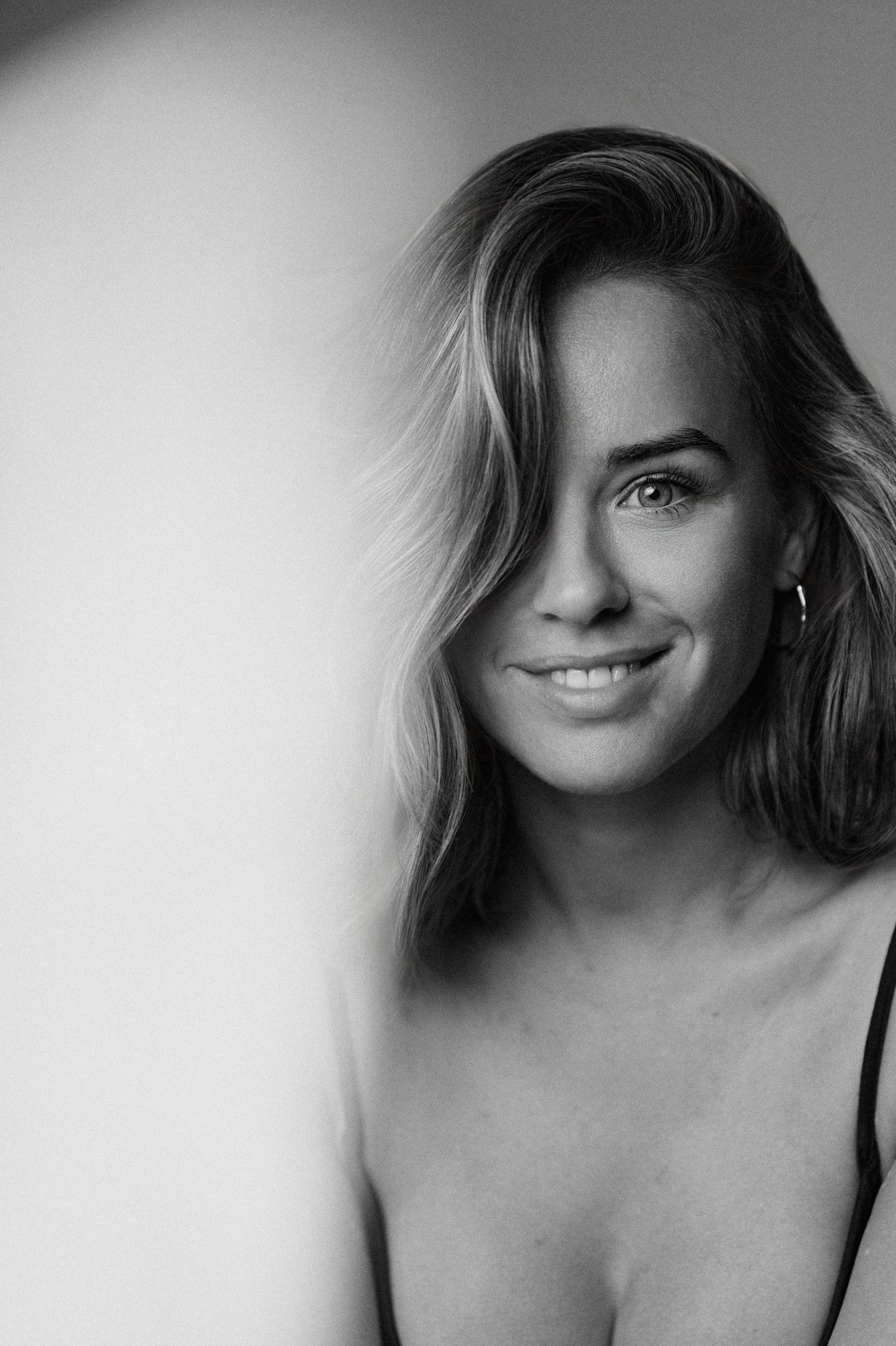
The shoot took place in my Manchester studio, working entirely with studio lighting. We kept things simple. A mix of black and white and colour portraits, nothing overly stylised, no heavy concepts to perform. Just space to settle, adjust, and see what emerged once the initial nerves passed, if they were there at all.
What stood out quickly was how professional Georgia was. Not in a rigid way, but in a grounded, calm sense of focus. She arrived prepared, open to direction, and equally comfortable offering her own instincts. That kind of collaboration changes the tone of a shoot. It stops being about extraction and becomes a shared process. You build something together, frame by frame.
We moved at an unhurried pace. Small shifts in posture. A pause to review images. Light adjustments rather than wholesale changes. I find that portraits often reveal themselves gradually, especially when you’re not chasing a single defining image. Some frames leaned quieter and inward. Others felt more direct. The variation mattered more than any one photograph.
For actors, portrait sessions can sit in a strange space between utility and self-reflection. These images need to function professionally, but they also need to feel like a person rather than a role. That balance is always in the room, even if it’s not spoken aloud. Throughout the session, the aim was consistency rather than reinvention. Letting subtle expressions do the work.
I’m aware that people browsing this post might come to it from different places. Maybe you’re an actor looking at how another performer approaches a shoot. Maybe you’re considering booking your own session. Or maybe you just ended up here by accident, scrolling. Either way, this felt like the kind of session that doesn’t need much explanation. It was straightforward, respectful, and quietly productive.
When the shoot wrapped, there was no sense of rush to declare it a success or failure. Just the feeling that we’d made a solid body of work, grounded in trust and clarity. Those are usually the sessions I think about later. The ones that don’t announce themselves loudly, but hold their shape over time.